Bucket-listing on the edge of Rebel County
Feature type Story
Read time 15 mins
Published Jun 16, 2026
Author Matthew Pink
Photographer Matthew Pink
We accept the tempting challenge of tackling an unusual bucket list adventure. A five-day road trip, a couple of gravel bikes, a Bigster and a wild peninsula overflowing with adventure potential, tales, gales, wit – and delicious seafood.
Do you have a bucket list?
When it comes to adventure, bucket list items tend to involve four flights, a questionable insurance policy, two years of acclimatisation and a not insubstantial amount of discomfort – just so the box can be ticked, the Instagram post published and the story regaled in the pub.
But…it doesn’t have to be this way.
Why, then, can somewhere less than six hours drive from home plus a smooth ferry crossing qualify as a bucket list destination?
Partly because we’ve been unfairly conditioned to believe that true adventure requires suffering at altitude or a visa. Partly because Ireland – green, uncannily familiar, nearby – doesn’t trigger the same sudden dopamine response as somewhere that sounds harder to spell. But mostly because places like this are so unshowy, stubbornly themselves and resist the kind of modern tourism that flattens a place into content. You have to slow down to understand it.
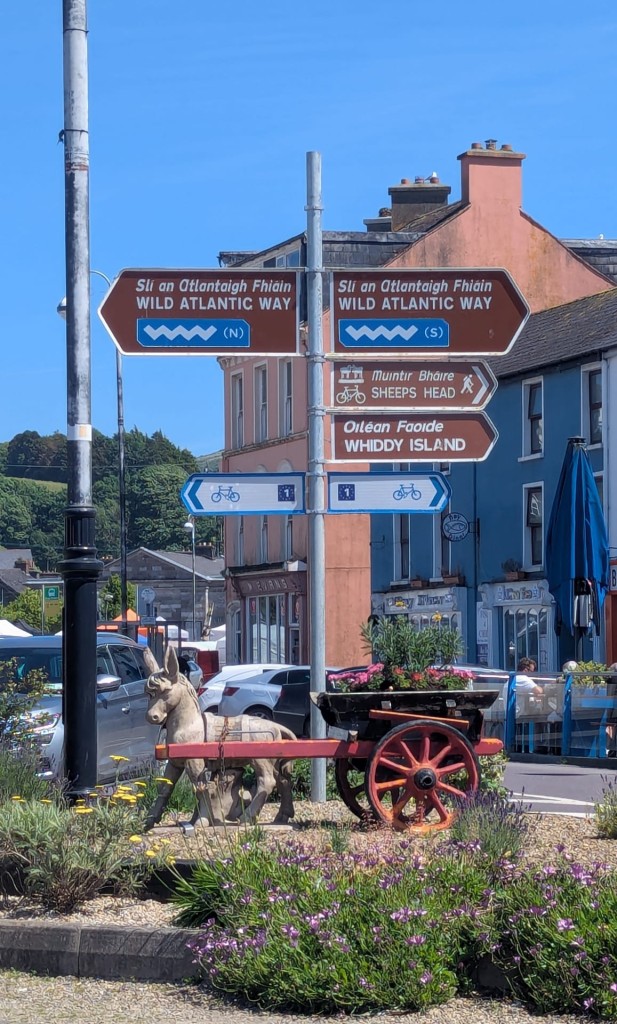
Bantry is a pivotal point on the Wild Atlantic Way. And Wild it is.
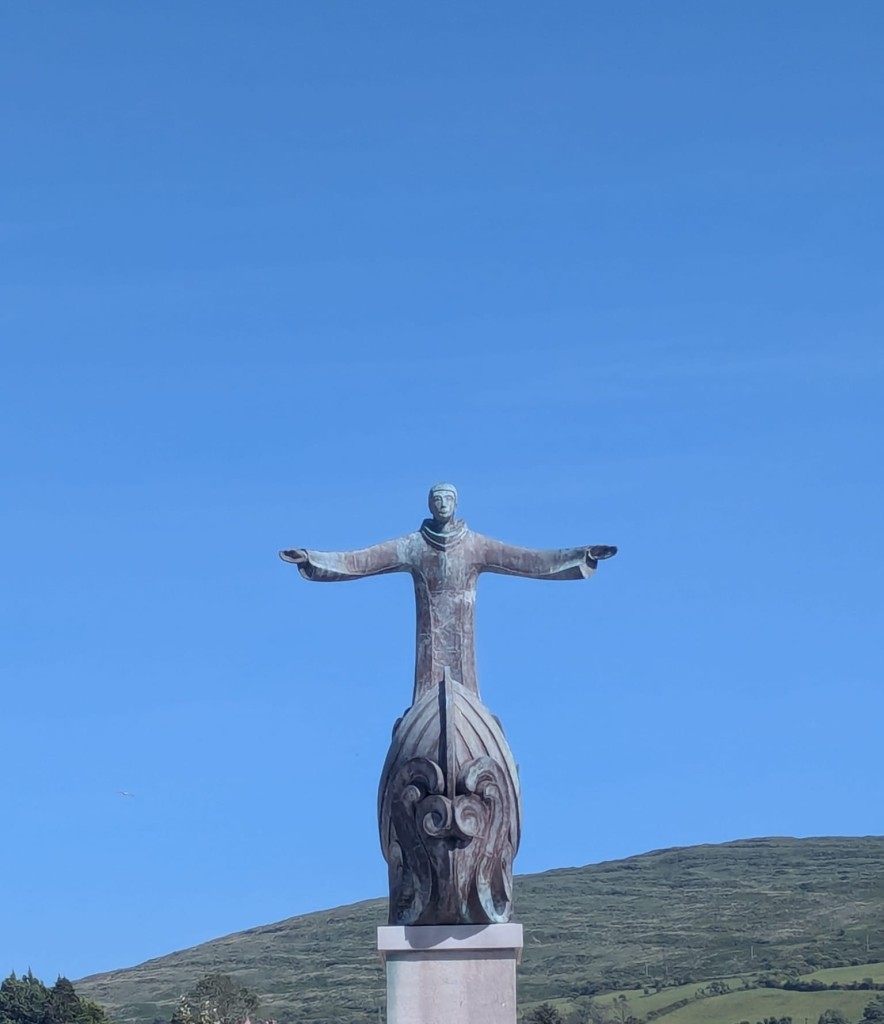
Viking history and myth hang heavy over the area.
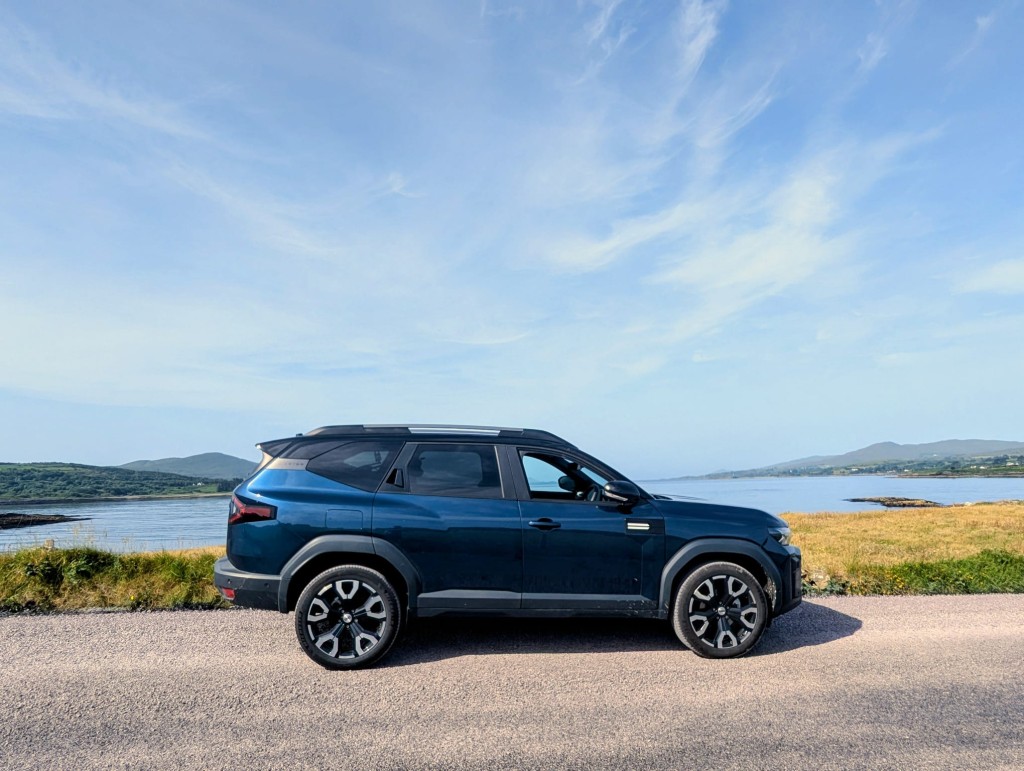
The Bigster under a big blue sky.
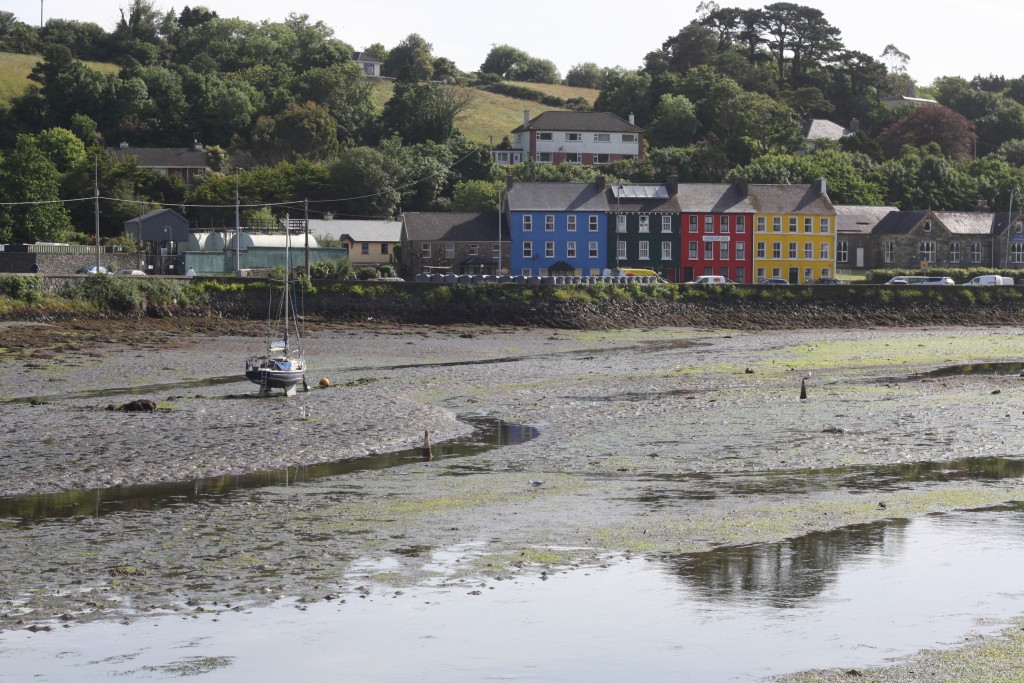
Bantry is that rare thing which is both beautiful and underrated.
Our adventure was a five-day road trip from Bristol to Pembroke (Rosslare looming through drizzle at dawn) to Bantry in West Cork by way of Waterford and a return leg including Cork and Wexford.
Our main aim: the Sheep’s Head Peninsula in West Cork, veined with the Sheep’s Head Way – an 88 km long-distance trail which follows old tracks and roads around the jutland from Bantry to the headland and back. Mainly followed by hikers, at least half the peninsula is stunning, unsung gravel territory.
The embrace of the Gulf Stream We pulled up to find a market in full swing around the square, fishermen unloading, a Baltimore woman selling warm mini doughnuts from a van with the steely confidence of someone who knows they have no meaningful competition. We ate a batch to, er, get the energy levels up. Bantry Bay stretched out beyond the town, improbably blue in the morning light. Kayakers set off for Whiddy Island and the hills above it were doing that thing Irish hills do: looking simultaneously close and impossibly far.
Bantry sits in a microclimate that by rights has no business existing at this latitude. The Gulf Stream wraps around the peninsula and does something quietly remarkable to the temperature. Subtropical plants grow in the gardens here, palms and fuchsia hedges run riot along the lanes in a density I, for one, have never seen.
In mid-June, 22 degrees and a high blue sky felt almost transgressive, like the place was showing off. The farmers in the valleys were already out cutting, the grass coming in bright sweet-smelling circles of yellow and emerald. Two German couples on touring bikes puzzled over maps of the Wild Atlantic Way outside a café as we unpacked and re-assembled our bikes.
We pulled up to find a market in full swing around the square, fishermen unloading, a Baltimore woman selling warm mini doughnuts from a van with the steely confidence of someone who knows they have no meaningful competition. We ate a batch to, er, get the energy levels up. Bantry Bay stretched out beyond the town, improbably blue in the morning light. Kayakers set off for Whiddy Island and the hills above it were doing that thing Irish hills do: looking simultaneously close and impossibly far.
Bantry sits in a microclimate that by rights has no business existing at this latitude. The Gulf Stream wraps around the peninsula and does something quietly remarkable to the temperature. Subtropical plants grow in the gardens here, palms and fuchsia hedges run riot along the lanes in a density I, for one, have never seen.
In mid-June, 22 degrees and a high blue sky felt almost transgressive, like the place was showing off. The farmers in the valleys were already out cutting, the grass coming in bright sweet-smelling circles of yellow and emerald. Two German couples on touring bikes puzzled over maps of the Wild Atlantic Way outside a café as we unpacked and re-assembled our bikes.
Day One: Into the Peninsula
We headed south out of Bantry, climbing immediately into the kind of grinding road that rewards patience and gritted teeth. The Sheep’s Head (also of the ancient name Muintir Bháire) is the quietest of Cork’s three great fingers into the Atlantic, 27 kilometres of elevated spine with Bantry Bay to the north and Dunmanus Bay to the south, and the sense at all times that the Atlantic is deciding how much of it to reclaim.
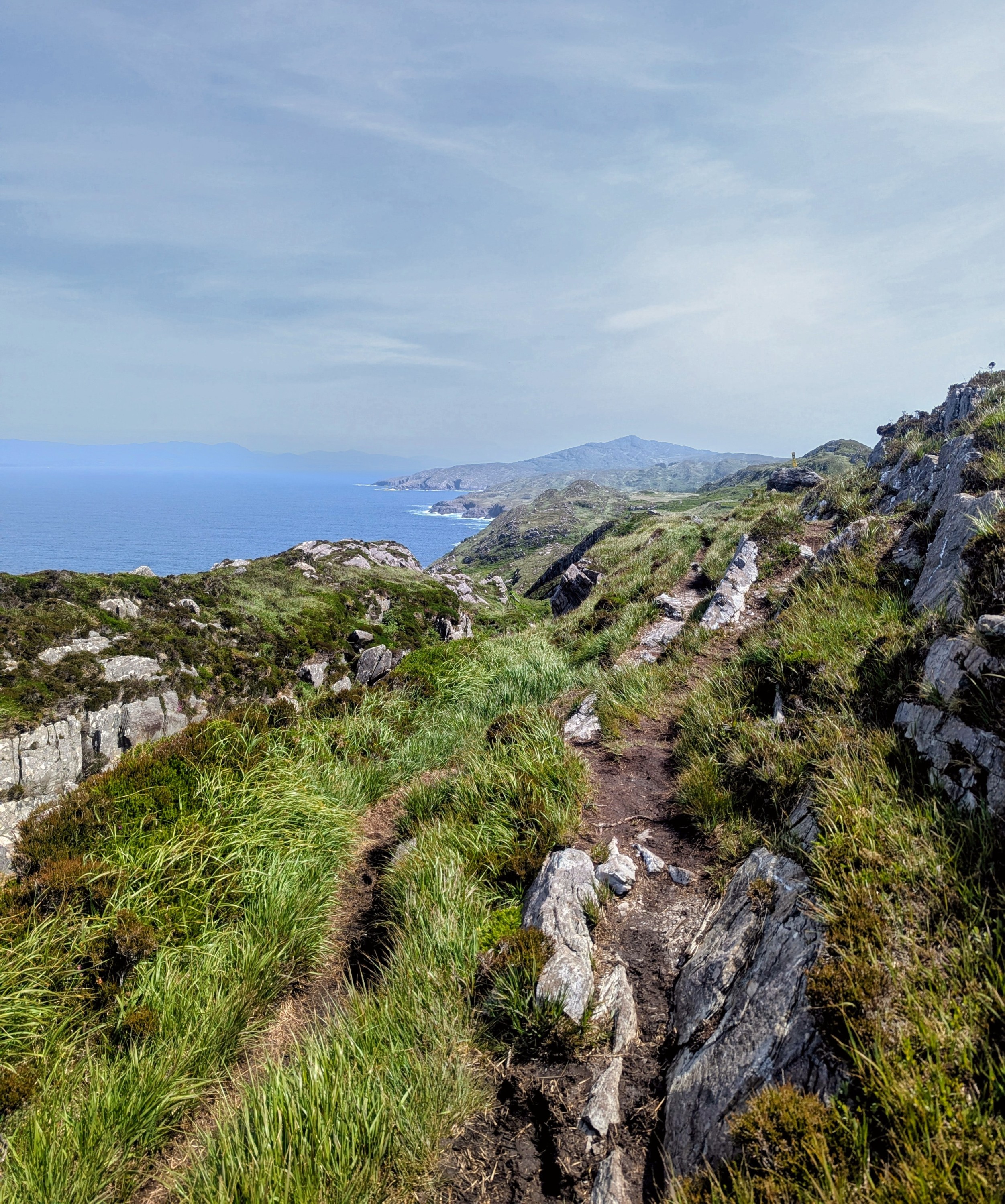
The trails that branch from the main peninsula road range from tarmac lanes so narrow the foxglove-flooded hedgerows close over your head, to rutted bog tracks that require a certain philosophical acceptance of your drivetrain’s feelings. We took both. The gravel surface on the higher ridgelines was loose and unyielding with panoramic views east towards the Mizen and west to the open ocean that made regular gawp stops compulsory. The vegetation up here is all low heather, gorse, bog cotton, liverwort in the wet patches, the occasional stand of wind-bent hawthorn that’s been pointing east for a hundred years.
Lower down, closer to the water, the character changes entirely. We found ourselves bobbing and threading along tracks just above the tide line, past saline pools where grey herons stood, over rough field crossings and aside one seaside meadow that unexpectedly contained a raucous group of alpacas. The sea here smells different to the sea anywhere else – richer, more iodine-heavy. We stopped and swam off a flat shelf of rock above a cove that appeared on no map we had.
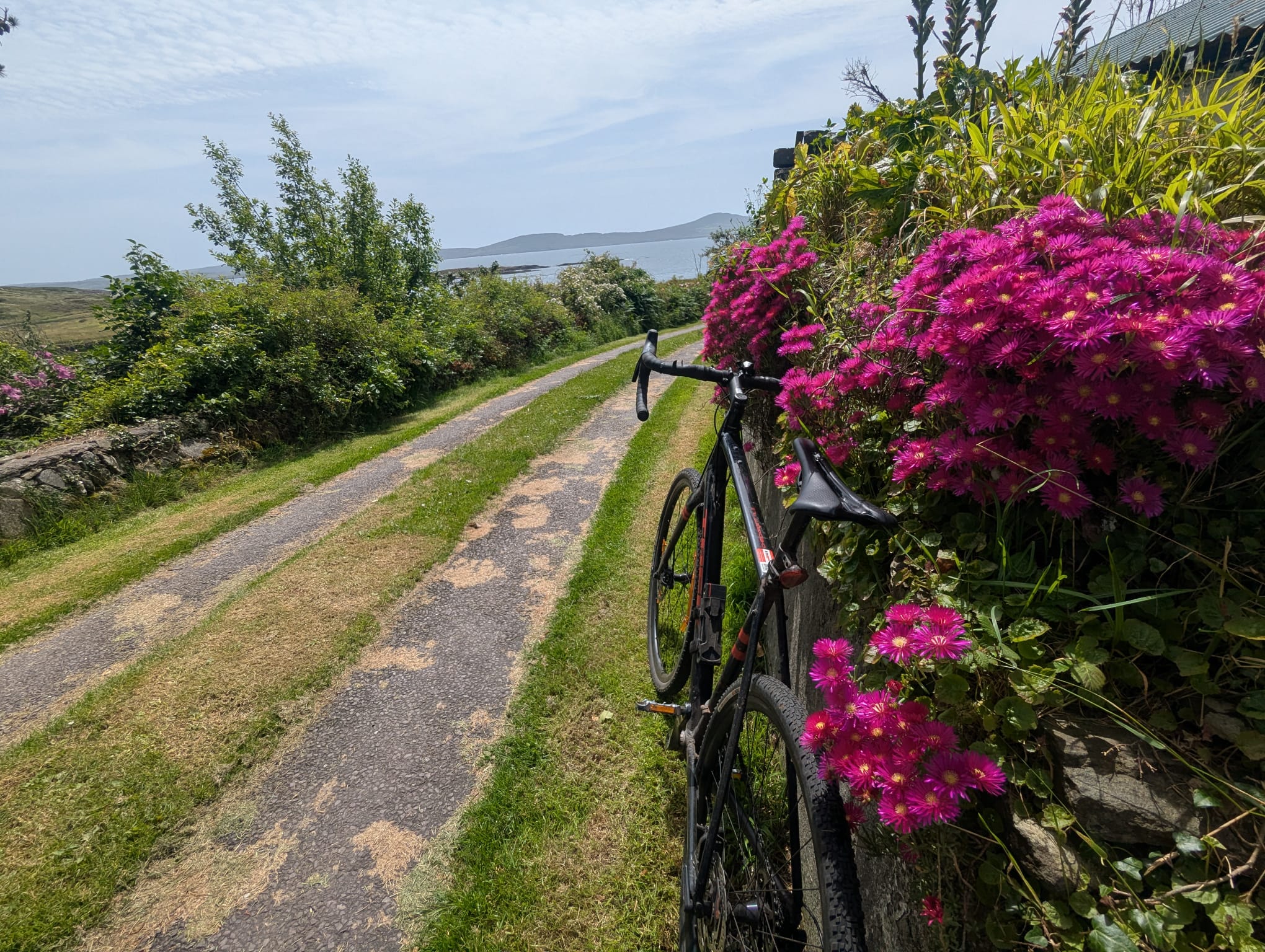
The subtropical climate means almost violent blooming come mid-spring.
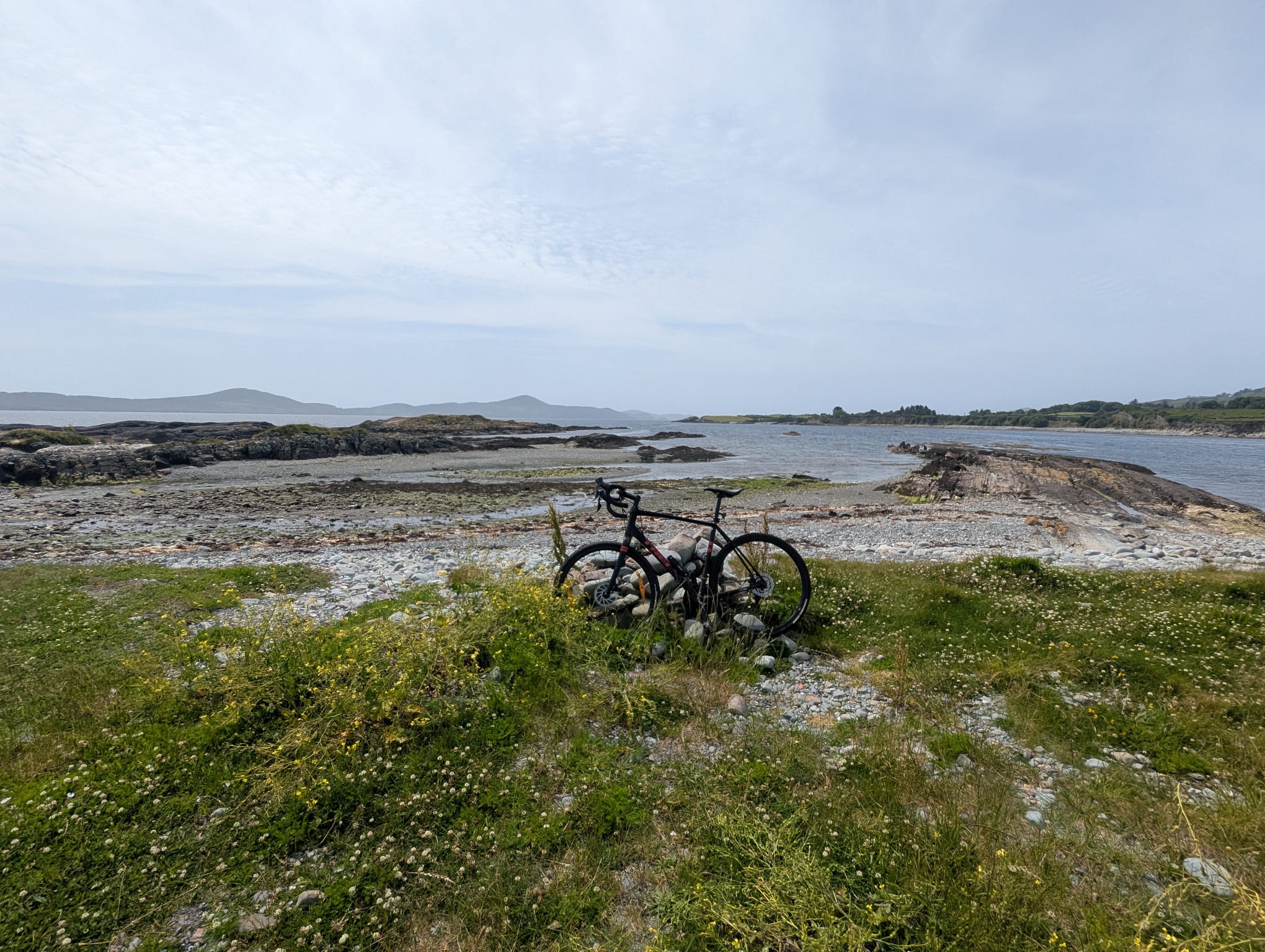
Shoreline stop for a quick dip and refuel.
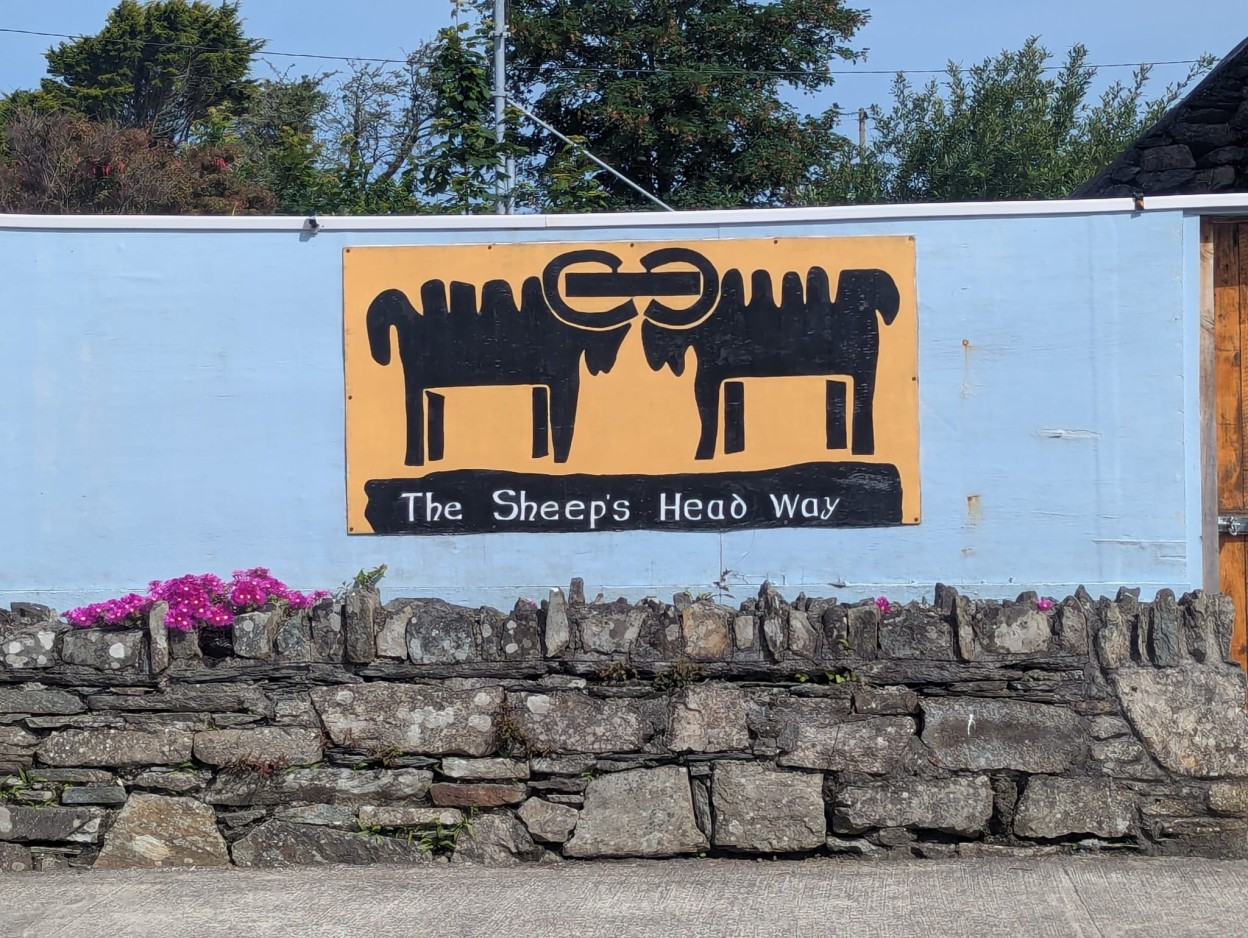
Left: The alpacas got the rebel memo. Right: There’s very little butting of heads with other adventurers in these wide open spaces.
One of the things that makes West Cork different from merely pretty is that the landscape is saturated with history. This is Ireland’s ancient east. The peninsula has some of the oldest rocks in the country, Devonian sandstone laid down 370 million years ago, and the ridgeline walk above the headland (we did the five-hour Sheep’s Head Way loop, bikes temporarily abandoned) gives you long enough in the wind to understand why people started making myths about it. The Vikings knew this coast too. The bays along the south shore of the peninsula are clean and deep – nice, natural anchorage – and the place names carry the residue of that passage if you know where to press.
Later came the shipwrecks, including the wreck of the French fleet that accompanied Wolfe Tone during the audacious, weatherbeaten, ultimately failed Bantry Bay expedition of 1796 – 43 ships of the Armée de la République, sitting off the most south-westerly coast of Ireland in December gales, unable to land, eventually turning back for Brest. The wind that defeated them still comes from exactly the same direction. There is something very West Cork about a rebellion foiling itself through excess of ambition and a storm.
This is Rebel County after all. Cork’s relationship with authority has always been pleasingly adversarial – the city and county produced figures like Michael Collins, hosted a Lord Mayor who died on hunger strike, and has maintained ever since a wry, watchful attitude toward being told what to do. You feel it in conversation and you definitely feel it in the refusal of the peninsula to make itself easier than it is.
Day Two: South Shore, Seaweed, Sea Creatures Sunday’s ride took us south-facing, on rougher tracks that skirt the coast above Dunmanus Bay. The view across the water to the Mizen Head Peninsula – another finger of rock reaching into the Atlantic – gives the whole area the feel of somewhere genuinely at the edge of things. Tarifa has it. The far tip of Pembrokeshire has it on good days. The Sheep’s Head has it constantly, zero effort required.
Across the water, Whiddy Island sits in Bantry Bay like a dropped comma. It’s known for its harvestable edible seaweed, kelp and dulse and sea spaghetti that local producers have been building a quiet, serious business around. The seaweed industry here isn’t artisanal in the annoyingly twee sense; it’s rooted in centuries of coastal subsistence, only recently recognised as the sophisticated food tradition it always was. We didn’t make it to Whiddy, but we’d had Bantry mussels the previous evening, – steamed deliciously, deeply briny, served simply – and the context they grew in was visible from where we sat eating them.
Sunday’s ride took us south-facing, on rougher tracks that skirt the coast above Dunmanus Bay. The view across the water to the Mizen Head Peninsula – another finger of rock reaching into the Atlantic – gives the whole area the feel of somewhere genuinely at the edge of things. Tarifa has it. The far tip of Pembrokeshire has it on good days. The Sheep’s Head has it constantly, zero effort required.
Across the water, Whiddy Island sits in Bantry Bay like a dropped comma. It’s known for its harvestable edible seaweed, kelp and dulse and sea spaghetti that local producers have been building a quiet, serious business around. The seaweed industry here isn’t artisanal in the annoyingly twee sense; it’s rooted in centuries of coastal subsistence, only recently recognised as the sophisticated food tradition it always was. We didn’t make it to Whiddy, but we’d had Bantry mussels the previous evening, – steamed deliciously, deeply briny, served simply – and the context they grew in was visible from where we sat eating them.
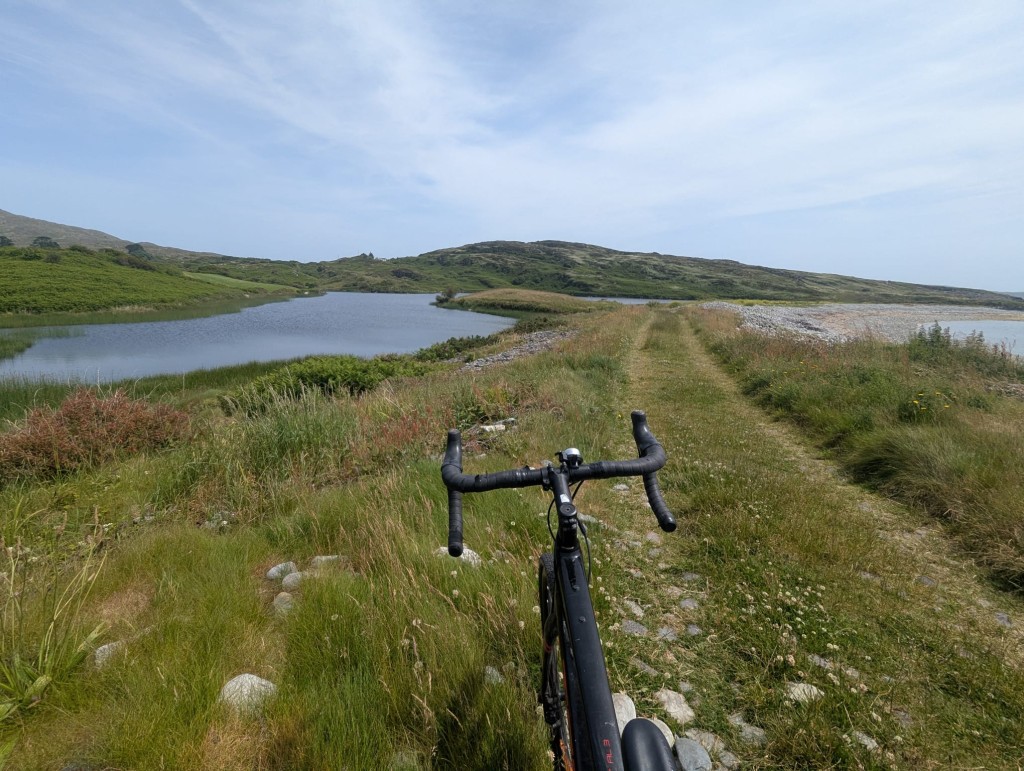
The sea smells different here. Iodine heavy.
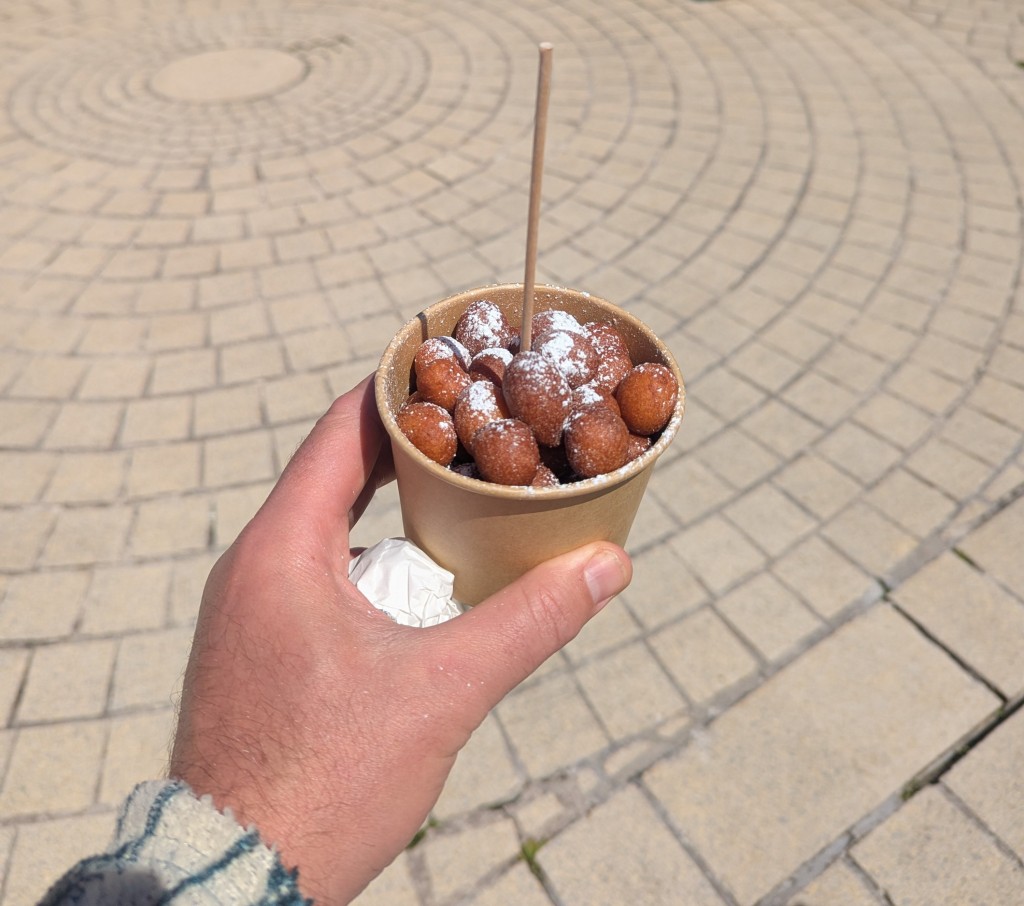
Homeric snack.
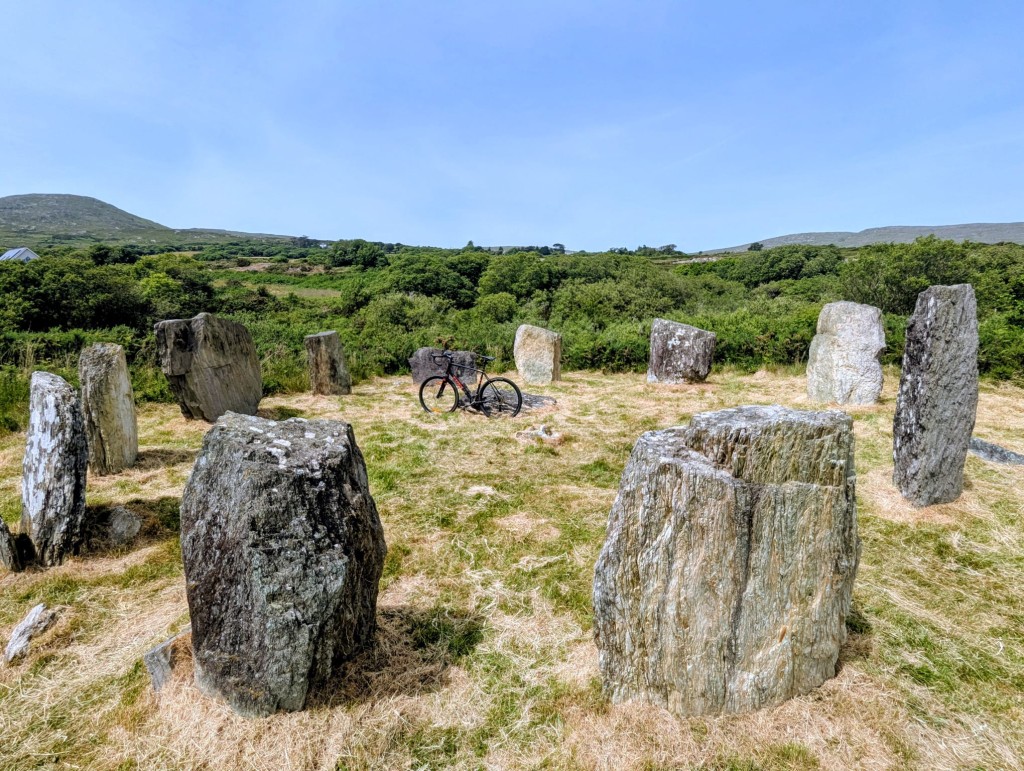
‘Ireland’s Ancient East’ means vestiges of ancient things.
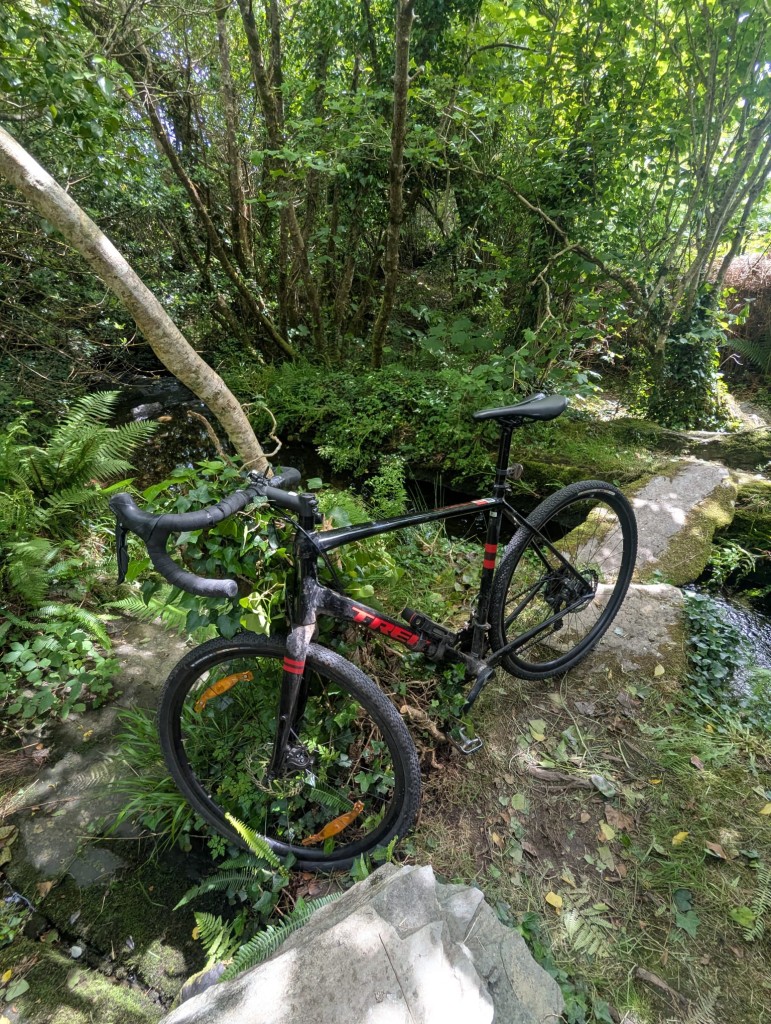
The trails meander through woodland and across roughly hewn bridges.
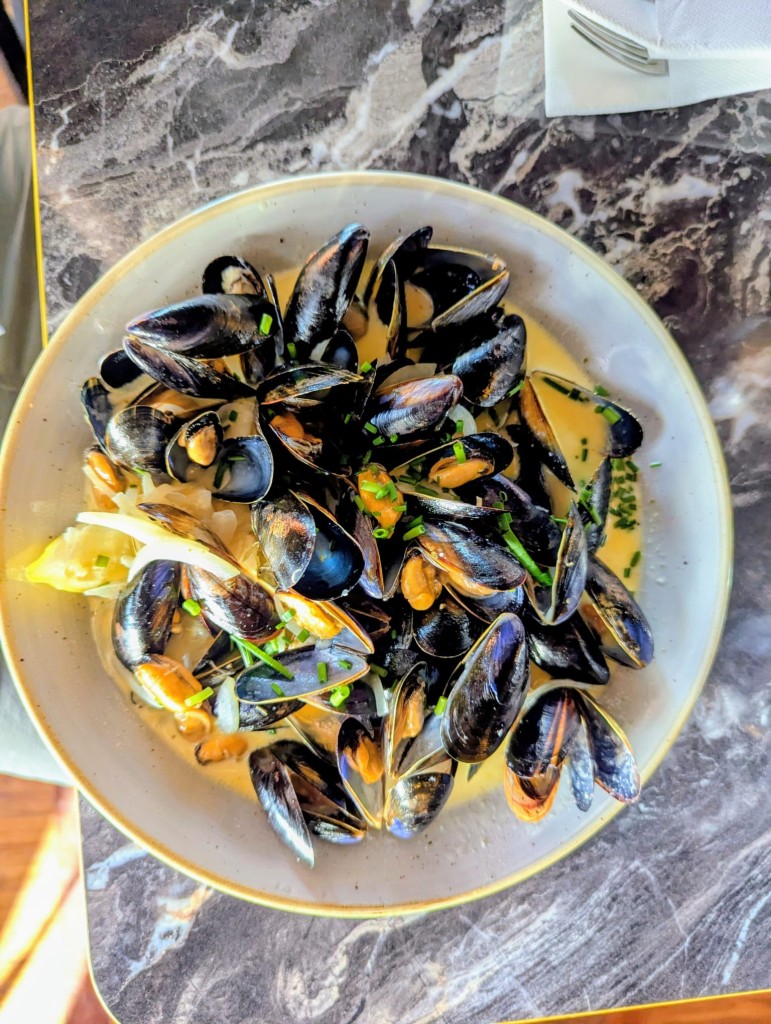
Bantry mussels from the sea right in front of you.
The wildlife on and around the peninsula is not a footnote. Grey seals haul out on the rocks below the coastal path. Basking sharks cruise the headlands in summer. Minke and fin whales feed offshore. Bottlenose dolphins follow the fishing boats in.
Clear Island (Oileán Chléire) lies 13 kilometres offshore to the south-east. It’s Ireland’s southernmost inhabited island, accessible by ferry from Baltimore and it has a reputation as a place where storytelling is not a cultural affectation but an actual ongoing practice. This whole corner of Ireland is Storyteller’s Ireland: the tradition of seanchaí, the professional keeper of oral history and legend, was strongest here, and something of it persists in the way conversation happens – expansive, digressive, returning to its point via a scenic route and some random stops blowing in off the breeze.
Day two’s hiking took us to the far end of the peninsula, where the Sheep’s Head Way narrows to its logical conclusion above the lighthouse. The rock underfoot is reddish and grippy when dry, its fissures full of heather root and the kind of small resilient plants that have collectively decided altitude is fine actually. Sea thrift in pink clusters. Bog cotton doing its ghostly nodding thing. Lichen in colours that have no business being that vivid.
The lighthouse at Muintir Bháire’s tip is a pretty modest structure for the grandeur of its position. Below it, the rocks fall away to the water in long broken shelves, and if you’re patient you’ll watch the Atlantic working through its full repertoire: swell, foam, the deep thudding percussion of waves hitting the base of the headland. It’s the infinite drumbeat of its underlying will to reclaim this land, but it’s a suitably epic place to take stock of the journey to this point.
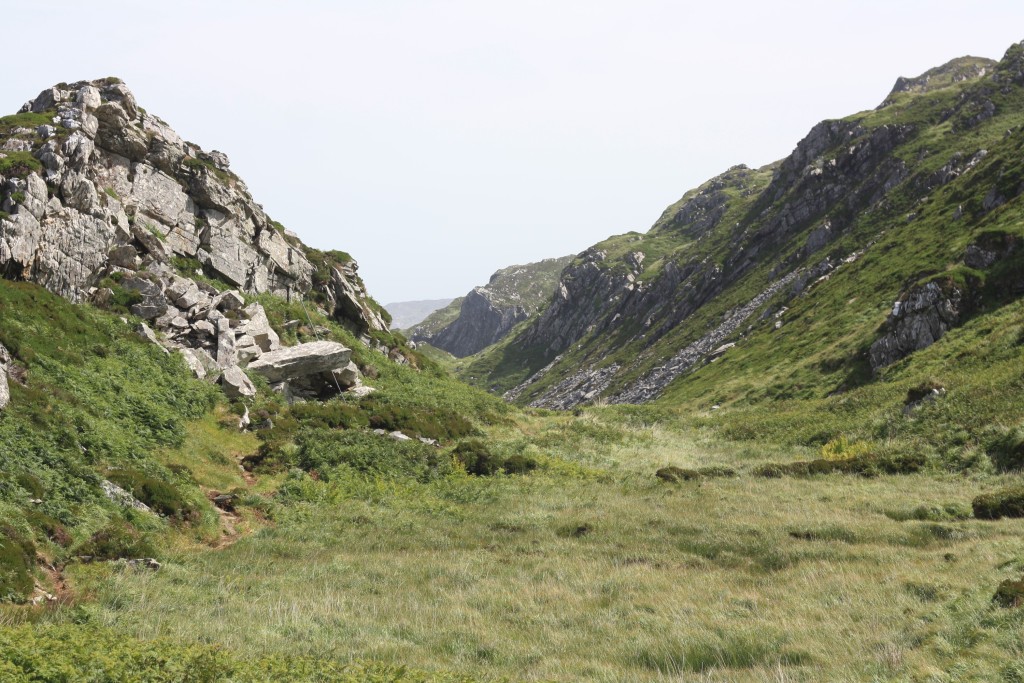
The peninsula boasts craggy outcrops and valleys that would embarrass some actual mountains.
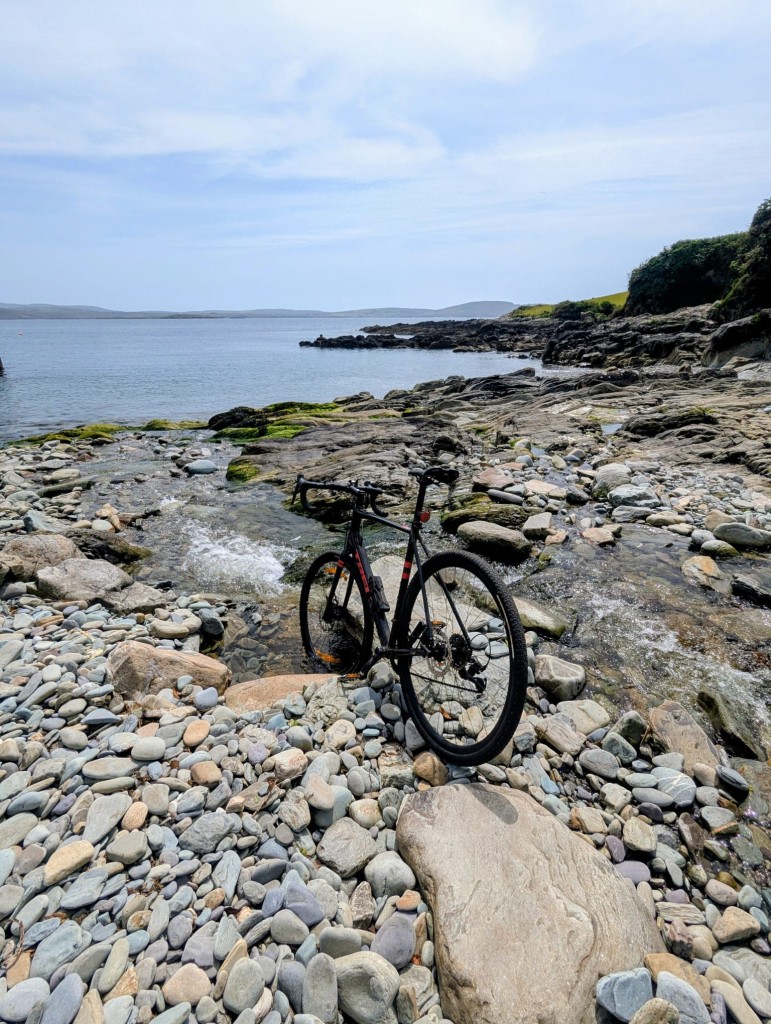
The bedrock shaping the beaches of the peninsula is between 300 and 360 million years old. They’re not fibbing when they say ‘ancient.’
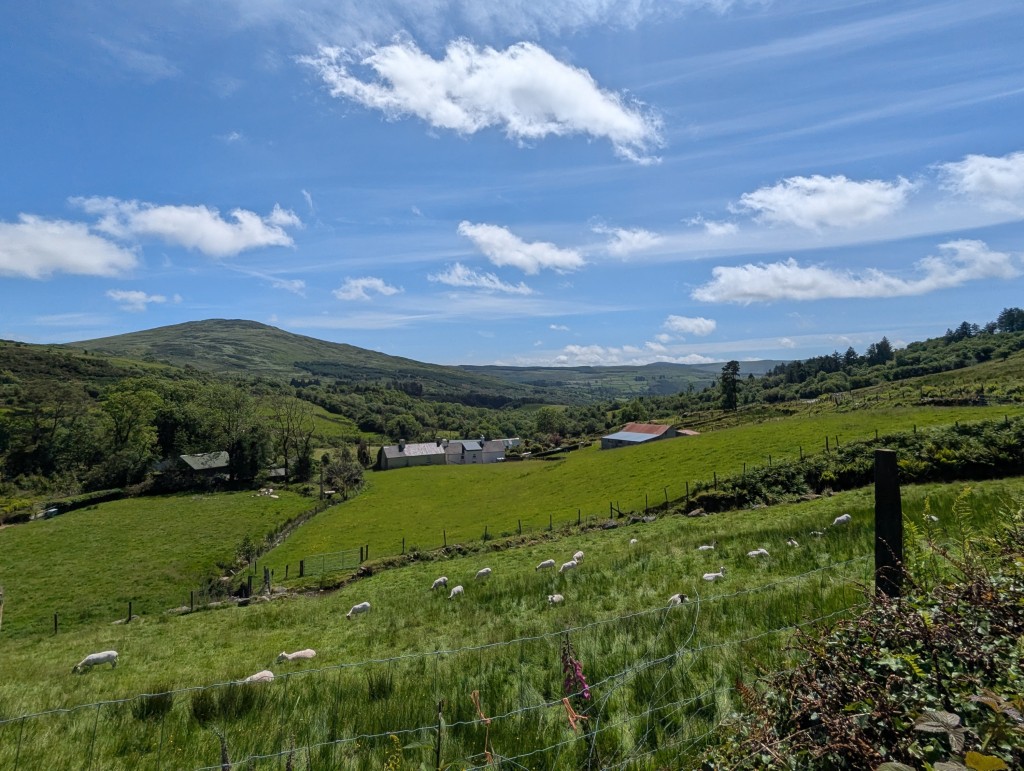
Emerald Isle comprehensively meeting the expectations set by its moniker.
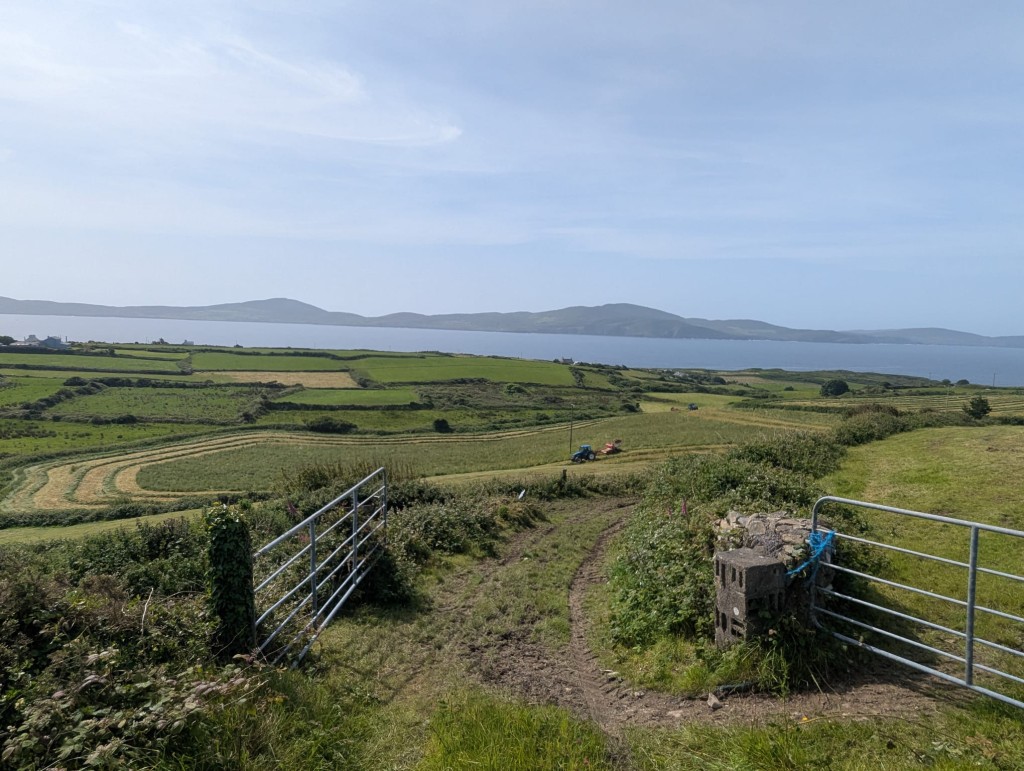
The temptation to deviate and rove wildly is always there.
Time to Reimagine the Bucket List? Right, here’s the argument: the idea that adventure scales with distance is one worth querying. The Sheep’s Head Peninsula has wilderness, mythology, wildlife, weather, food culture, history and the specific sensation of standing at the edge of something real. And it’s a ferry and a four-hour drive from most of the UK.
To me, the bucket list that makes most sense is probably the one that doesn’t require a second mortgage and three weeks’ leave. It’s the one that has been sitting on the map, three inches to the left, all along.
None of which diminishes what we found there. If anything, the proximity makes it better – the fact that something this particular, this alive, this plainly itself exists at this distance is quietly revelatory.
You could go. You probably should. The peninsula though, characteristically, ain’t going to beg you.
Right, here’s the argument: the idea that adventure scales with distance is one worth querying. The Sheep’s Head Peninsula has wilderness, mythology, wildlife, weather, food culture, history and the specific sensation of standing at the edge of something real. And it’s a ferry and a four-hour drive from most of the UK.
To me, the bucket list that makes most sense is probably the one that doesn’t require a second mortgage and three weeks’ leave. It’s the one that has been sitting on the map, three inches to the left, all along.
None of which diminishes what we found there. If anything, the proximity makes it better – the fact that something this particular, this alive, this plainly itself exists at this distance is quietly revelatory.
You could go. You probably should. The peninsula though, characteristically, ain’t going to beg you.
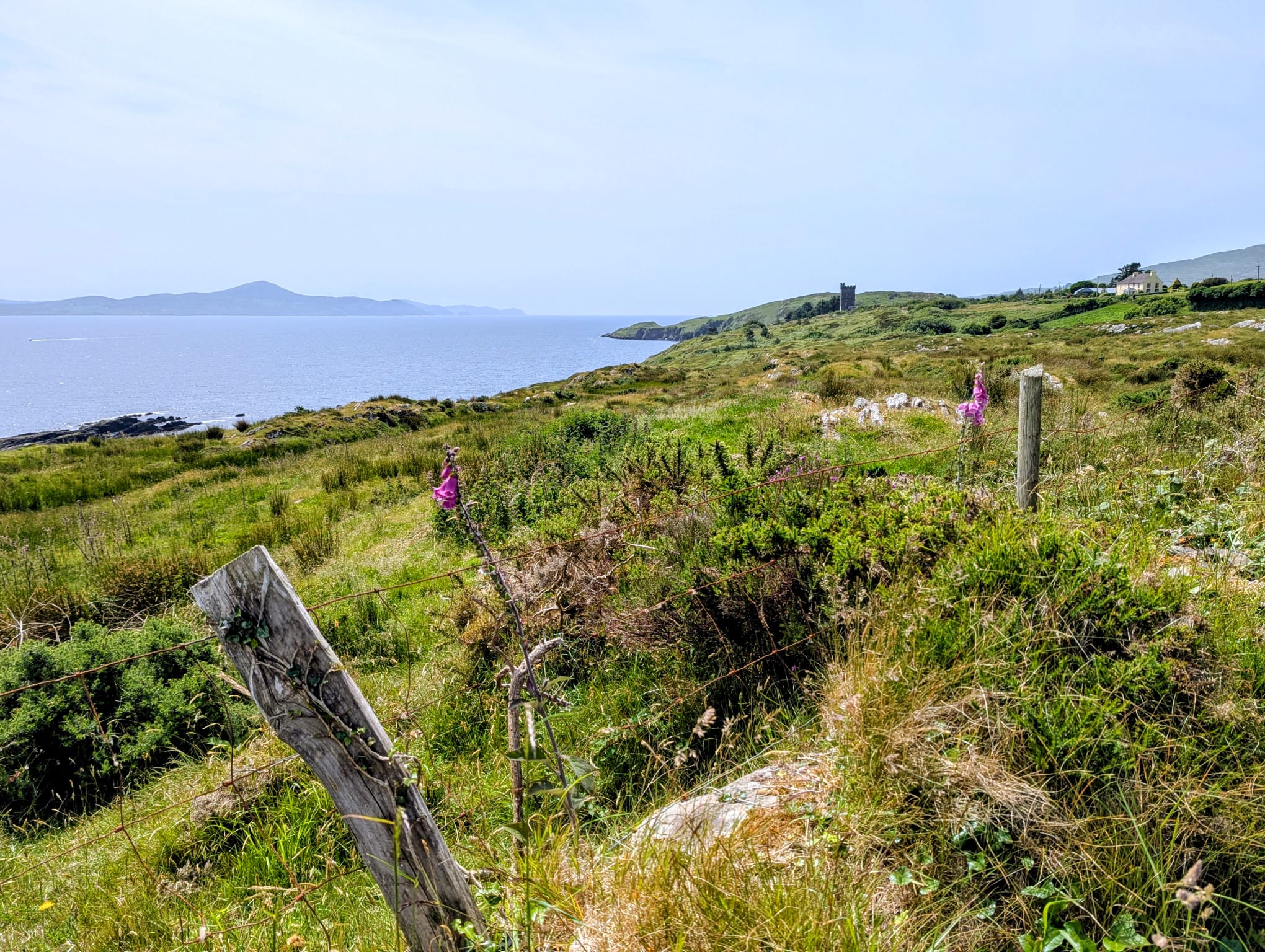
Every now and then the lookout towers you pass remind you of the vicious struggles fought out in the surrounding sea.
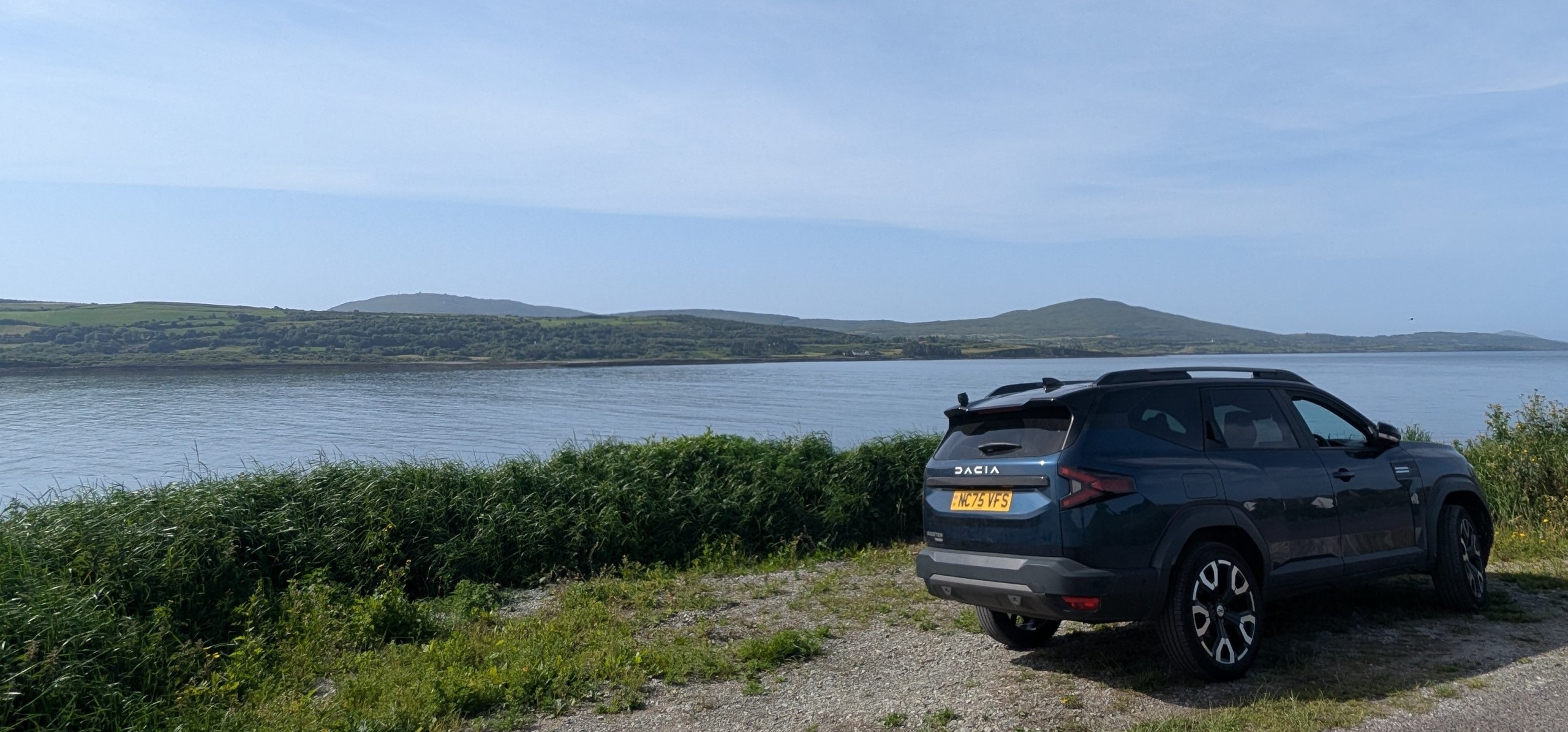
Time for another cooling-off.
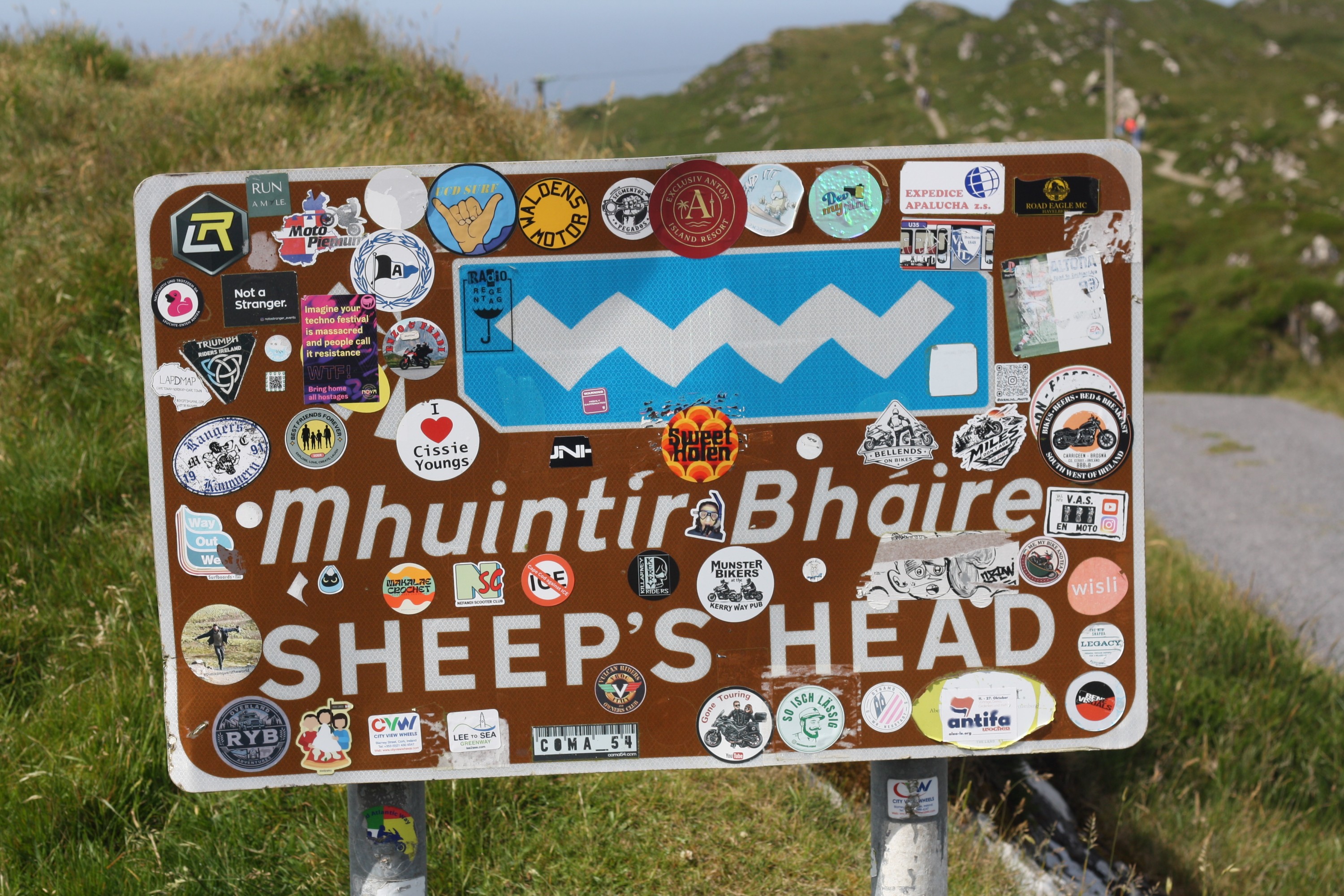
Even the stickers from various visitors plastered on the waymarker are rebellious.
You too can realise your bucket list dream by entering this competition from Dacia: dacia.co.uk/
Get submitting your pitches from 17th June 2026.
Don’t miss a single adventure
Sign up to our free newsletter and get a weekly BASE hit to your inbox







Other posts by this author
Story • Matthew Pink • Sep 07, 2026
Sparring cows, mythical creatures and handmade trails: welcome to the soulful side of Verbier
We find a completely different experience on offer in the Verbier summer sun.
Story • Matthew Pink • Jun 08, 2026
Between the Noise: Two Days of e-MTB Escape in Morocco’s Imlil and Azzaden Valleys
A simple plan: two days, two valleys, one Scott e-MTB, a bag of snacks, water and no schedule beyond daylight.
Story • Matthew Pink • May 30, 2025
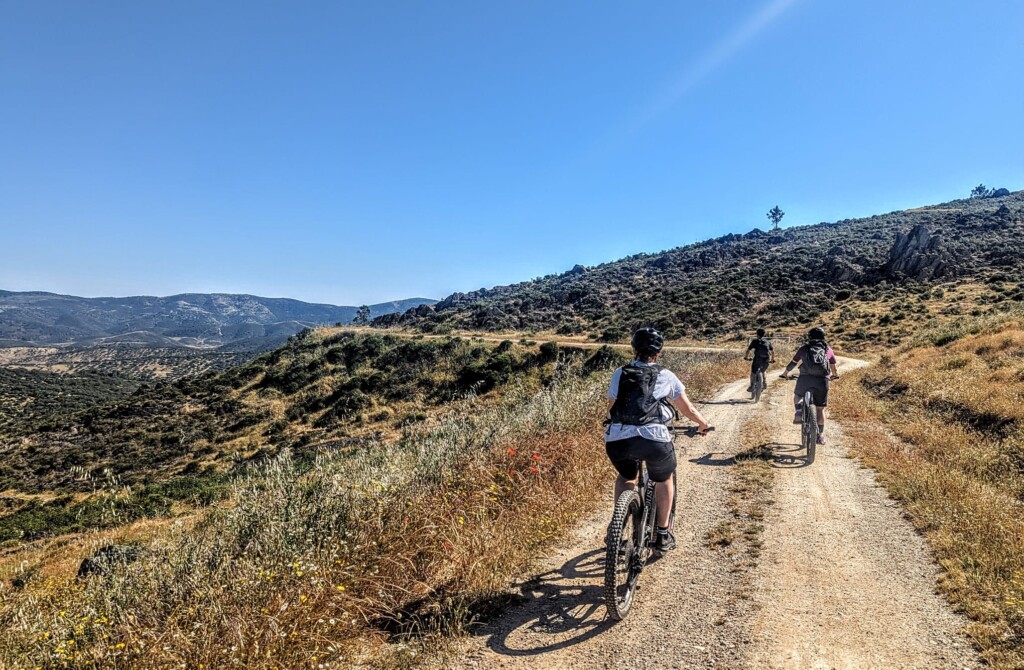
Smuggler lanes and donkey trails: e-MTB in Andalusia
Hazy days zig-zagging the Andalusian sierra through a mesh of secret trails
You might also like
Story • Matthew Pink • Sep 07, 2026
Sparring cows, mythical creatures and handmade trails: welcome to the soulful side of Verbier
We find a completely different experience on offer in the Verbier summer sun.
Story • Matthew Pink • Jun 08, 2026
Between the Noise: Two Days of e-MTB Escape in Morocco’s Imlil and Azzaden Valleys
A simple plan: two days, two valleys, one Scott e-MTB, a bag of snacks, water and no schedule beyond daylight.
Story • Matthew Pink • May 30, 2025
Smuggler lanes and donkey trails: e-MTB in Andalusia
Hazy days zig-zagging the Andalusian sierra through a mesh of secret trails